“coffee grades” search results (14300)

Introduction to the characteristics of flavor and taste of Yega Sherfield Coffee Manor
The traditional way of tanning in Ethiopia is rough and smelly, so it is popular.
2016-08-05 Yega Sheffield Coffee Manor producing area Flavor Taste characteristics introduction Cochi
Common sense of graded coffee to distinguish between coffee beans and coffee beans
● distinguishes the key names and specifications of coffee beans the name of the port of export of ● can tell the shipping route from the name of the port of exit marked. Coffee from the same origin or the same brand has a certain route, so it is also exported from the same port. For example, if it is marked as "Brazil. Santos", it means that this is coffee exported from Santos, but the one marked "Mocha" is taken as an example.
2015-04-15 Distinguish coffee beans and grading coffee common sense discrimination essentials names
Fine coffee beans: teach you to distinguish coffee beans and coffee beans graded coffee basics
● Key to distinguish the name and specification of coffee beans ● Export port name From the indicated export port name, you can know the route of transportation. Coffee of the same origin or brand has a certain route, so it is also exported from the same port. For example, if the label is "Brazil." Santos "means it's coffee coming out of Santos, except when it's marked mocha.
2015-12-15 boutique coffee beans teach you distinguish and grade coffee primer basics
Introduction to the grade of Ethiopian coffee
Grade of Ethiopian coffee: Ethiopian washed coffee Yega Chuefei G1 G2 Sidamo (Yirgacheffe, Sidamo) has the highest grades 2 and 3 (G2, G3), while sun-processed coffee in eastern Ethiopia is mostly grade 4 or 5 (G4, G5). In many cases, level 4 coffee is marked as level 5 in order to reduce taxes. At present, the classification is not uniform and there are
2016-06-20 Ethiopia coffee grade introduction
The Common sense of Coffee beans correctly using Q Grader to Grade Coffee
In the Q Grader course (a professional coffee bean grading course), I found that people can't be 100% objective when grading coffee beans. Everyone's experience of coffee is different, because we have different taste buds, different noses and different brains, so we can't judge the taste of coffee objectively. For example, when I have a drink
2015-01-08 Coffee beans common sense correct use Grader coffee grading Gra
Distinguish coffee beans and the grading of coffee beans how to distinguish the quality of coffee beans coffee knowledge
● distinguishes the key names and specifications of coffee beans the name of the port of export of ● can tell the shipping route from the name of the port of exit marked. Coffee from the same origin or the same brand has a certain route, so it is also exported from the same port. For example, if it is marked "Brazil." "Santos" means that this is coffee exported from Santos, with the exception of those marked "mocha".
2016-01-23 Distinguish coffee beans and grading how quality good or bad coffee knowledge discrimination
Initial processing requirements of Yunnan Coffee (Arabica species)
Technical requirements for the initial processing of small seed (Arabica seed) Coffee 1. There are two processing methods for coffee beans made from fresh coffee fruits, namely wet processing and dry processing. The first and second grade fruits are processed by wet method, and the third grade fruits are processed by dry method in areas without peeling machine and lack of water. 2. Processing technology 2.1 equipment and facilities should be equipped with fresh fruit collection pool and siphon
2014-09-29 Yunnan coffee is first processed Arabica species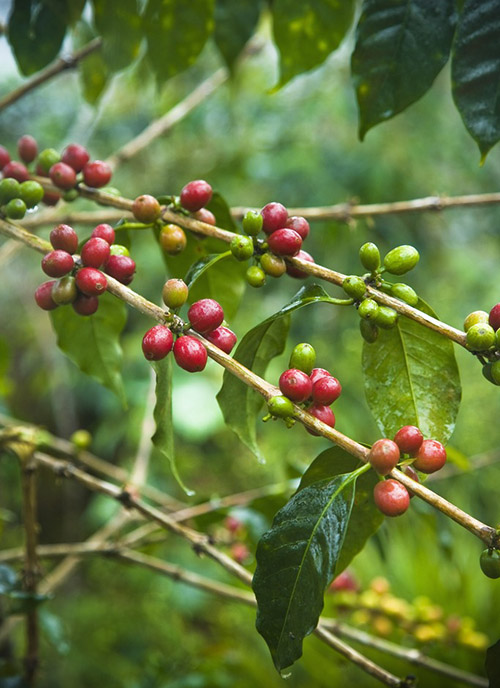
The flavor spectrum of raw bean grading model 90 + "Level" marks the top taste standard.
In the flavor spectrum of 90 +, there is a Level logo. It is the number after the product name mark L. For example, L12-means Level 12. The Level is probably in proportion to the price. It represents the grading model of raw beans: according to quality, quantity, production cost, 90 + based on the original excellent raw beans, continue to grade as follows: Level 7: single production area harvest. Will taste meticulous and
2016-07-13 Raw beans grading pattern 90 Flavor Level logo Top Taste
Introduction to the grade of coffee beans in Ethiopia
Grade of Ethiopian coffee: Ethiopian washed coffee Yega Chuefei G1 G2 Sidamo (Yirgacheffe, Sidamo) has the highest grades 2 and 3 (G2, G3), while sun-processed coffee in eastern Ethiopia is mostly grade 4 or 5 (G4, G5). In many cases, level 4 coffee is marked as level 5 in order to reduce taxes. At present, the classification is not uniform and there are
2016-06-04 Ethiopia coffee beans grades introduction
General knowledge of fine coffee beans grading and classification of coffee beans
Coffee beans are graded first by size and then by density. With two exceptions, all coffee beans have a considerable size and the same proportion, with flat on one side and semi-oval on the other. The special cases are pea-shaped coffee beans that tend to be more oval in shape and giant coffee beans with large particles (that is, Marragol peel coffee beans). The prices of these two kinds of coffee beans are always higher.
2014-12-17 Boutique coffee beans common sense grading classification first press size and then secret
Rich floral flavor of Ethiopian coffee introduction to the characteristics of fine coffee in the manor area
In February 1977, Lieutenant Colonel Mengistu Haier Maryam (MENGISTU HAILE MARIAM) launched a military coup and served as Chairman of the interim military Administrative Council and head of State. In 1979, the Ethiopian Labor people's Party Organization Committee, dominated by soldiers, was established to implement an one-party system. In 1984, the Ethiopian Workers' Party was formed according to the Soviet Communist Party model. Mengistu, September 1987
2016-08-20 Rich fragrant Ethiopian coffee flavor taste manor producing area characteristics
Introduction to the flavor and taste of Ethiopian Sidamo Shachiso Coffee with a strong floral flavor.
In July 1991, EGF hosted a national conference with the participation of more than 20 political and ethnic organizations. The meeting adopted the Transitional Charter and elected an 87-member House of Representatives, with EGF Chairman Meles Zenawi as President of the Transitional Government and President of the House of Representatives. A transitional government was established. On May 24, 1993, Eritrea (formerly the province of Eritrea, Ethiopia) adopted
2016-09-06 Entrance full-bodied fragrant Ethiopia Dharma Shakiso coffee producing area flavor
Introduction to the grading of Ethiopian Coffee
Sun-cured coffee accounts for 65% of exports. Mainly picked by families, red coffee beans are placed on cement floors or on high tables to dry to about 11.5% humidity, then peeled and cleaned. Coffee grading and quality control system in Ethiopia, coffee grading and quality control system is divided into three levels: producer, regional and national. All coffee is required before leaving the country of origin.
2016-06-12 Ethiopia coffee grading category introduction
The method of primary processing of small coffee beans
Technical requirements for the initial processing of small seed (Arabica seed) Coffee 1. There are two processing methods for coffee beans made from fresh coffee fruits, namely wet processing and dry processing. The first and second grade fruits are processed by wet method, and the third grade fruits are processed by dry method in areas without peeling machine and lack of water. 2. Processing technology 2.1 equipment and facilities should be equipped with fresh fruit collection pool and rainbow
2014-09-02 Coffee knowledge small coffee coffee bean processing
Ethiopia Harald G4 | EthiopiaHarrar Grade4 African raw bean production
Ethiopian Harald G4 | EthiopiaHarrar Grade4 Harald coffee is cultivated between altitude 1800m2500m by natural drying and exported to countries around the world through the city of Dire Dawa. Because of its high popularity and low production, the price is high relative to its grade, and it is one of the most beloved premium coffee in the world. Rich
2016-05-04 Ethiopia Harald Rahl EthiopiaHarrar Gr
Determination of the selection of grading methods in various countries
1. Generally speaking, coffee is not classified according to altitude in countries near the equator because coffee is grown at a higher altitude. In addition, if it is picked by hand and processed by washing, it will not be graded by bad points because there are few immature beans and sundries mixed in. Therefore, the size of the sieve number is generally used as the grading standard. Such as: Colombia, Tanzania, Kenny
2016-05-10 Countries grades methods selection determination generally speaking equator near country by
Introduction to the roasting method of coffee roasting grade
Baking grade. Most professional coffee roasters don't use words like bright, medium, or dark to describe roasting grades. They describe them as exaggerated synaesthesia, such as earthy or chocolate-colored coffee beans. If you don't see a word for flavor, it's likely that the coffee bean baker is unprofessional. This is by no means a good sign. Cup or cup?
2016-06-13 Coffee roasting grading method introduction most professional coffee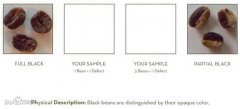
SCAA Fine Coffee grading defective Bean Standard
All black beans / part of black beans appearance features: black opaque raw bean cup sensory features: diversity: fermentation taste, sharp choking taste, turbidity, mildew taste, sharp sour taste, chemical irritation and other single or multiple odors mixture. Cause: excessive fermentation, leading to microbial invasion and infection. Appearance characteristics of whole sour beans / partial sour beans: raw beans have a yellow, yellowish brown or reddish brown appearance, usually
2015-11-10 SCAA boutique coffee grading defects standard black beans part appearance special
Grade planning of coffee beans in Kenya
Common classification: hand-picked coffee fruit, picked by hand, picked out immature fruit (unripe), overripe fruit (overripe) and other defects, peeled, after about 36 hours of fermentation, placed on a metal grid for sun drying, in the processing plant to remove the seed shell (parchment), become a blue-green appearance of attractive Kenyan raw beans. These beautiful raw beans, according to one
2016-06-06 Kenya coffee beans grades planning common classification manual picking coffee classics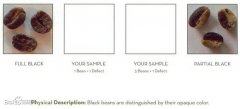
SCAA Fine Coffee Grading All kinds of defective beans
Whole black beans/partial black beans Appearance characteristics: black opaque raw beans Cup sensory characteristics: diversity: fermented flavor, sharp choking flavor, turbidity, mildew, sharp sour flavor, chemical stimulation flavor and other single or multiple odors mixed. Cause: Excessive fermentation, leading to microbial invasion infection. Whole/partial sour beans Appearance characteristics: Raw beans have a yellow, tan or reddish brown appearance, usually
2015-11-03 SCAA Fine Coffee Grading amp Various Flaw Black Bean Partial